

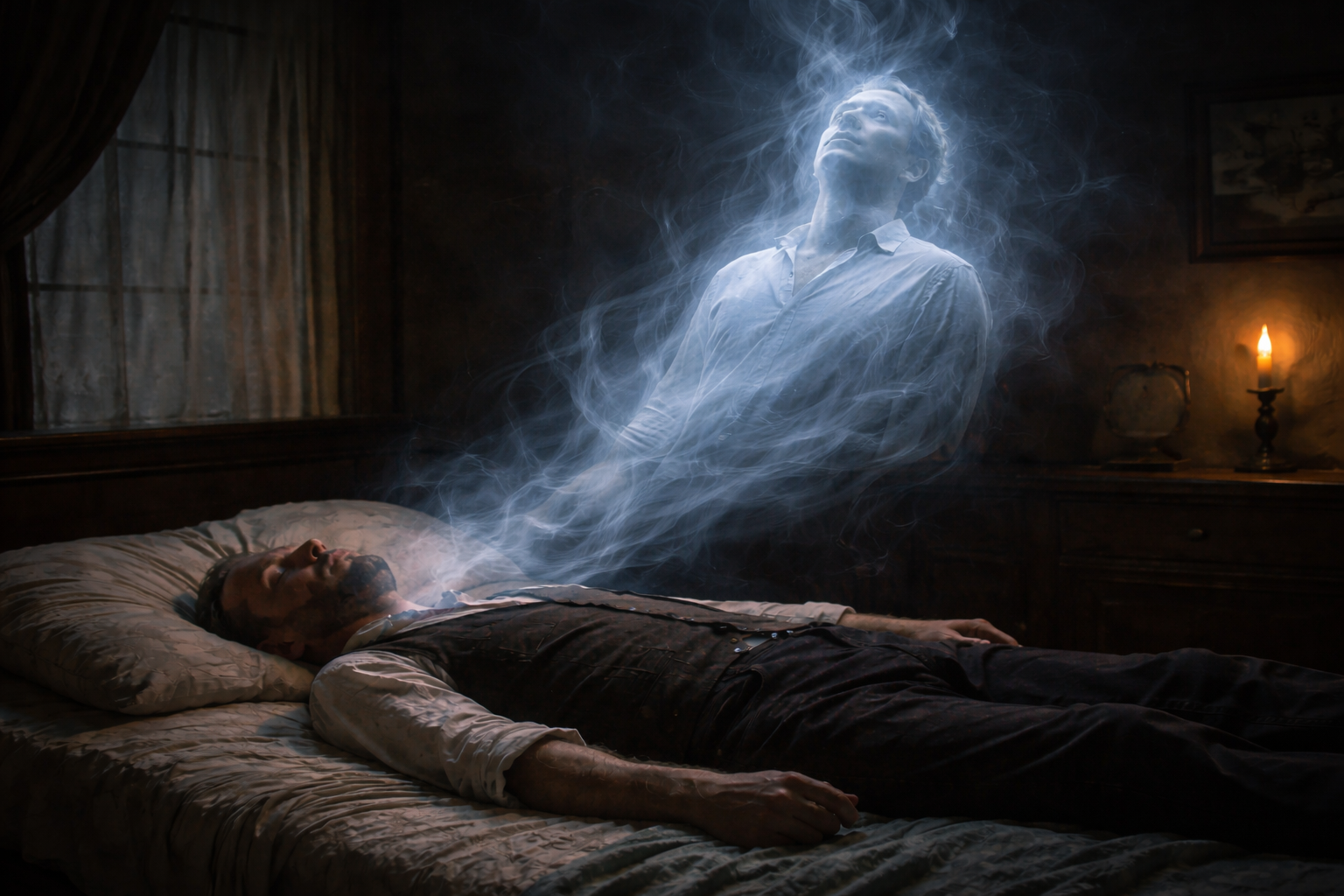
Savannah is a city obsessed with its own history — up to a point. We’ll give you the antebellum architecture tour. We’ll walk you through the Civil War timeline. We’ll even lean hard into the ghost stories. However, ask most people about the yellow fever epidemics, and you’ll get a polite subject change.
I’m not most people.
The Numbers Are Brutal
Savannah suffered major yellow fever outbreaks repeatedly throughout the 18th and 19th centuries. The 1820 epidemic killed roughly one in seven residents. The 1854 outbreak took over a thousand lives in a city of less than fifteen thousand people. People fled to the countryside. Streets emptied. Businesses shuttered. The dead outnumbered the capacity of every burial ground in the city.
Yellow fever was called “Yellow Jack” and “Bronze John.” It starts with fever and chills. Then comes the vomiting of black bile as the liver fails. After that comes jaundice — the yellowing that gave the disease its name. Death typically followed within days. There was no treatment. In fact, there was barely any understanding of the cause until the late 1800s, when researchers finally confirmed it was mosquito-transmitted.
Savannah’s Geography Was a Death Trap
The low-lying tidal marshes surrounding the city were — unknowingly at the time — perfect mosquito breeding habitat. The summers were hot and wet. Ships arriving from the Caribbean brought infected passengers. The city had no idea that its standing water and drainage ditches were incubating something catastrophic season after season.
The people who survived the epidemics were forever changed. Entire social networks collapsed. Families who’d been in Savannah for generations were gone in a summer. As a result, the city rebuilt itself repeatedly — architecturally, socially, demographically — not because of war or fire, but because of a mosquito.
Why It Matters When You Walk the City Today
The next time you walk through Colonial Park Cemetery and see clusters of headstones with the same family name and death dates just days apart, that’s yellow fever. The next time you wonder why Savannah has such a peculiar mix of architectural periods, that’s partly the rebuilding cycles after epidemics wiped out entire neighborhoods.
Savannah is a beautiful city. It’s also a city that has survived things most people have never heard of. That survival is part of what gives it its particular texture — that weight you feel walking the historic district, the weight that’s hard to name but impossible to ignore.
Now you know part of what that weight is.
Experience Savannah In Person
Did you find this story intriguing?
Are you ready to experience Savannah in person?
Join me on the ghost tour I’ve been leading for over a decade — real history, real paranormal research, and the stories that don’t make it into the guidebooks. Small groups. No scripts. Just Savannah.
Select your date below — instant confirmation, full refund up to 24 hours before the tour.
🔒 Secure booking · Powered by FareHarbor · $39/person
Prefer to browse first? See all 5 tours →
RELATED READING
- The Truth About Colonial Park Cemetery
- Savannah History Walking Tour
- Savannah’s Squares: What the Brochure Doesn’t Tell You
- CDC — Yellow Fever Overview
For more from Savannah’s most authentic ghost tour guide, visit guyinthekilt.com — or book a tour directly.